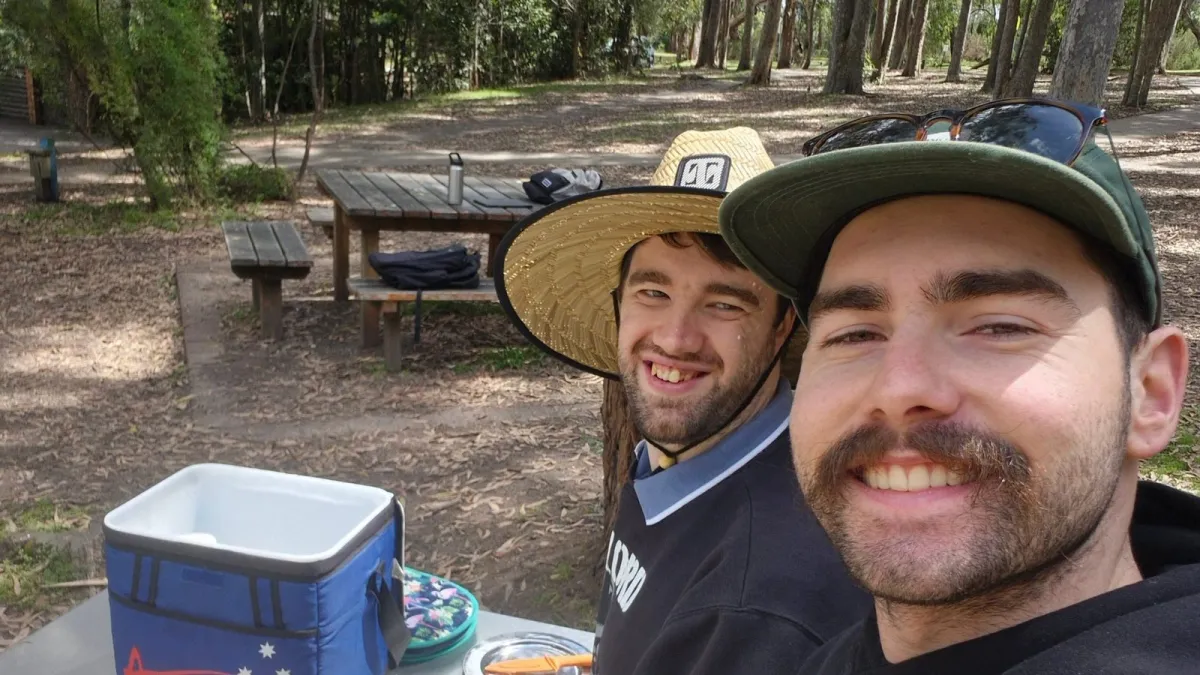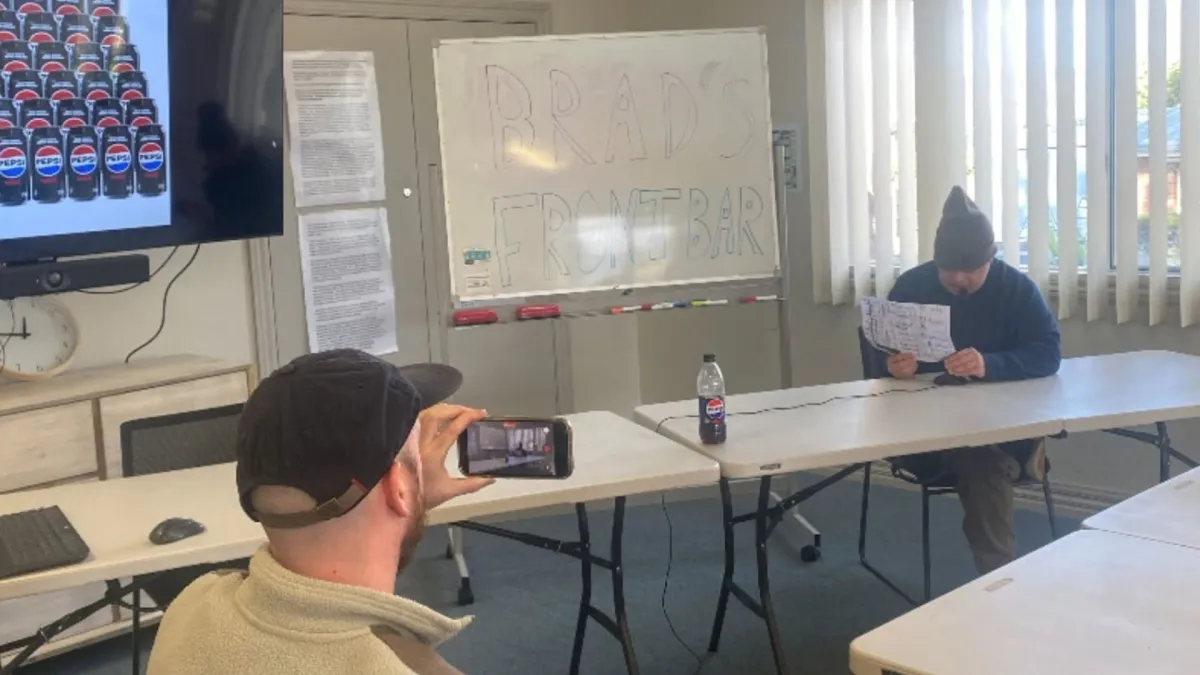
For a lot of adults with disability, the hardest part of the week is the stretch at home with nothing on. Getting out on a regular basis, with people you like, can change how the whole week feels.
We're not doctors, and this isn't medical advice. It's what we see on our days out.

What we notice
Routine helps. When there's something on the calendar, the week has a shape. People talk about it before it happens and after it's done.
Mates matter more than the activity. The go karting is fun, but it's the people that bring someone back.
New places build confidence. A trip somewhere new can feel big at first. By the second or third time it's just a thing they do.
Small wins add up. Ordering at the counter, catching the bus, speaking up in the group. They don't look like much, but you can see people stand a bit taller.
When getting out feels hard
If leaving the house is a big step, start small.
- Pick something your person already loves and start there.
- Go somewhere quiet first, at a quiet time.
- Keep it short. Leaving on a high beats staying too long.
- Bring someone they trust. That might be a support worker they've met one to one first.
- Do it again soon, so it becomes normal.
How we help
Our day programs run on a recurring timetable, and our social community has social nights, outings and clubs. If a group feels like too much at first, one to one support is a good middle step.
Read more about our day programs, or see how one of our crew went from shy to social.
Ideas for a first outing
Start with something low key, close to home, and easy to leave if it's not working:
- A coffee or a milkshake at a quiet café
- A short walk somewhere familiar, then a snack
- A game of pool or a round of mini golf
- Watching a local footy or basketball game
- A trip to a shop they love, like a gaming or book shop
Once that feels easy, go a bit bigger: a market, an arcade, or a day trip. Our winter guide has ideas for when the weather turns.
For families: encouraging without pushing
- Offer a choice, not a demand. "Café or a walk on Saturday?" works better than "You need to get out more."
- Plan the exit. Knowing they can leave early makes it easier to go.
- Notice the wins. Mention what went well, even if it was small.
- Let someone else take the lead sometimes. A support worker or a mate can make it feel less like a family outing.
If someone doesn't want to go, pushing usually backfires. Try a smaller step, or try again another day.
There's more on helping young adults build a social life.
What a good day out looks like
It doesn't have to be big. A good day out usually has:
- Something to look forward to, planned ahead
- People your person likes being around
- One small thing they did for themselves, like ordering or paying
- A way home that's sorted, so nobody's stressed at the end
- A reason to come back next time
That last one matters most. The best sign a day went well is someone asking when the next one is.
If you're worried about someone
If you're worried about someone's mental health, talk to their GP. For support any time, you can call Lifeline on 13 11 14.
Programs and details change over time. For what's running now, get in touch with our team.