Here is a shame we see too often. Someone has funding in their plan for getting out and being social, and it sits there unused all year. The whole point of it, a fuller and more connected life, quietly goes to waste.
It does not have to be that way. So here is a practical rundown of how to actually make the most of this funding, from a crew who help people do exactly that every week across Warragul, Gippsland and South East Melbourne.
One note first, and we mean it. We are a social crew, not a plan manager or the NDIS. This is a friendly, practical guide, not advice on your specific plan. For that, your coordinator or plan manager is the one to ask.

First, know what you have got
You cannot make the most of something you are not clear on. So step one is simply understanding what is in your plan.
Your plan manager or coordinator can tell you how much social and community participation funding you have, and how flexible it is. It is worth knowing two things in particular: how much is there, and whether it sits under Core Supports, called Assistance with Social and Community Participation, or Capacity Building, called Increased Social and Community Participation. Core is support to take part now. Capacity Building is more about building skills for the future. Plenty of people have a bit of both.
Once you know what you are working with, the rest gets a lot easier.
Remember what it actually pays for
Quick reminder, because it trips people up. This funding pays for the support to take part, not usually the activity itself. So it covers a support worker to help you get out and join in, not your own ticket or lunch. The exception is some group programs where the activity cost is bundled into the hourly rate. Knowing this helps you plan how far your funding will go.
Make it a routine, not a one off
Here is the single biggest tip we can give you. This funding works best when it becomes a regular thing.
A weekly social night or a regular day out builds real connection and skills over time, far more than the odd outing here and there. Confidence does not come from one big day. It comes from showing up, week after week, until the nerves fade and the mates are real. A routine is what turns funding into an actual change in someone's life.
It also makes the funding easier to manage. A steady weekly rhythm is simpler to plan and budget for than a scramble of one off events.
Use it for the things that actually matter
This funding is not one size fits all, and it should never feel like it. Whether it is making mates, building confidence, getting out of the house more, or working towards a specific thing, use it for what actually matters to the person.
The trick is to start with the person, not the activity. What do they love? What are they into? What would they genuinely look forward to? Build the funding around that, and engagement takes care of itself. Nobody sticks with something they dread, no matter how good it looks on paper.
Think about your goals at plan time
Here is a practical one that pays off. Funding tends to follow goals. So if getting out and being social matters, it helps to have it written into the plan as a goal.
At your next plan reassessment, it is worth raising with your coordinator. You do not need fancy words. Something plain like "I want to attend a weekly social activity to build confidence and make friends". A clear, specific goal makes it far easier to justify and protect the funding that supports it.
Your coordinator does this all the time and can help you put it in the right terms. That is exactly their patch.
Do not let it sit
If funding is not being used, do not just let it drift. It is worth a chat with your coordinator about why, and whether there is something out there the person would actually enjoy.
Sometimes the block is simple. They have not found the right crew yet, or the right kind of activity, or getting there felt like too much. All of those are fixable. Unused funding almost always means the fit has not been found yet, not that the person does not want to get out.
How it works with us
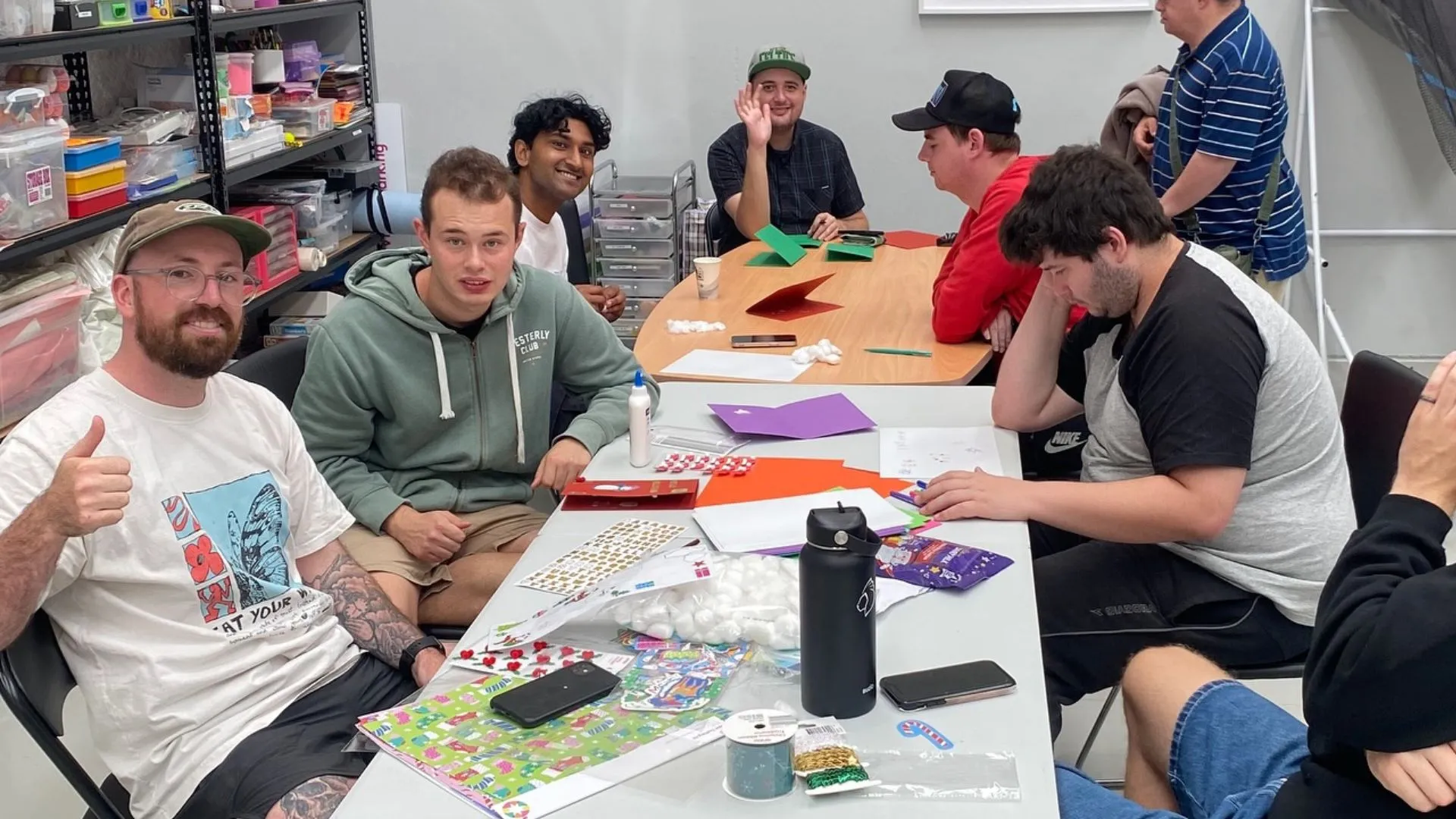
This is the bit we are actually good at. We help you turn that funding into a regular thing to look forward to. A weekly social night, a day out, a program built around what the person is into. We match the support to the person, we sort the service agreement and the paperwork so it is easy, and we keep it simple.
For anything to do with your actual plan and budget, we will always point you to your coordinator or plan manager, because that is their job, not ours. But for turning funding into a genuinely good time that helps you grow, we are your crew.
Give us a call on 1800 319 581 or email Hello@tdacvic.com.
Common questions
How do I find out how much funding I have?
Your plan manager or coordinator can tell you exactly how much social and community participation funding is in your plan, and how flexible it is.
Why is a routine better than one off outings?
Because confidence and friendships build over time. Showing up weekly does far more than the occasional big day out, and it is easier to plan and budget for too.
What if the person will not engage with anything?
Usually that means the right fit has not been found yet, not that they do not want to get out. The trick is starting with what they genuinely enjoy, and taking the pressure right off.
Can I get social funding added to a plan?
You can raise it at your next reassessment. A plain goal like wanting to attend a weekly social activity to build confidence and connections makes it easier. Your coordinator can help you frame it.
What happens to funding I do not use?
That is a question for your coordinator or plan manager, since it depends on your plan. Either way, unused funding is a missed chance at a fuller life, so it is worth sorting out why it is not being used.
Are the funding rules changing?
Changes to social and community funding are coming in from late 2026. We have a separate plain rundown of that, and the official sources always have the current detail.
→ health.gov.au — Securing the NDIS for future generations
Sign up to our mailing list HERE